
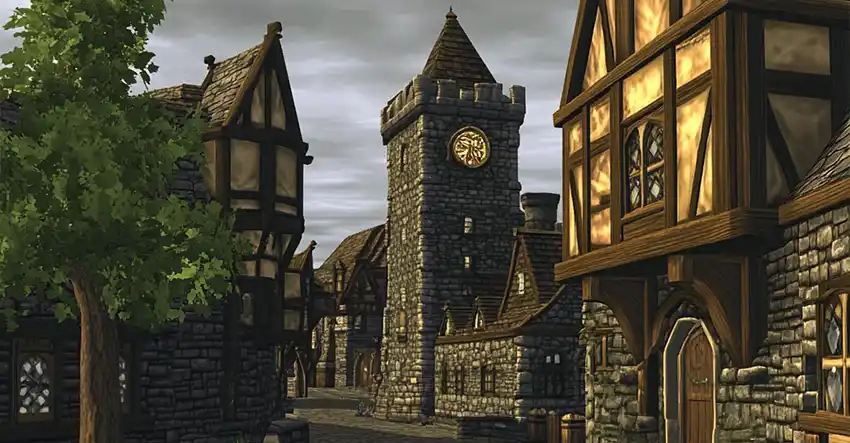
The RSPS world is incredibly diverse, and no two servers play the same. Over the years, several distinct server types have emerged, each designed for different playstyles and communities. Whether you prefer grinding an economy from scratch or jumping straight into high-risk PvP, there is a server type for every kind of player. This guide breaks down the most common RSPS categories and what makes each one unique.
Economy servers
Economy-focused servers (often called eco servers) offer the most “complete” and traditional gameplay. Players start with nothing and build their wealth through skilling, PvM, trading and merchanting. These servers typically feature:
- balanced drop tables
- stable markets and player-driven pricing
- slower progression and long-term goals
- a strong focus on PvM and skilling
Economy servers tend to attract players who enjoy progression, long-term investment and a stable community. Many of the most reputable projects listed on the top RSPS rankings are economy-based.
Economy speed: mid-rate, remake and spawn
Even among progression-based servers, pace varies a lot. Most economy RSPS run at a mid-rate pace, roughly 10x to 50x official XP rates, which keeps levelling meaningful without the multi-year grind of the official game. A smaller group of remake servers deliberately run 1x to 2x rates for a near-1:1 replica of the original game, trading a smaller player base for long-term prestige. Spawn and PvP servers sit at the opposite end: gear is instant and the “economy” is closer to PK points than a real market.
Whatever the rate, a healthy market needs gold sinks, ways to remove money from the game like death costs or Grand Exchange tax. Without them, prices inflate and high scores stop meaning much, so it’s worth checking before committing to a server long-term.
PvP servers
PvP servers are built for players who enjoy competitive combat. They often provide direct teleport access to PvP zones, high-risk areas and tournaments. Features usually include:
- instant access to common gear setups
- custom PvP presets
- focused wilderness content
- frequent risk-fights and edge-style duels
These servers prioritize combat balance, switching speed and accuracy. They are ideal for players who want to fight immediately without grinding for items first.
Spawn servers
Spawn RSPS allow players to generate most items for free. There is little to no economy, and the main goal is fast-paced action. Typical features include:
- full item spawning with commands
- preset loadouts for PvP
- instanced duels and competitive modes
- custom minigames designed around fighting
Because they remove the need for grinding, spawn servers are great for practicing PvP or enjoying experimental setups like hybrid, tribrid and pure fights.
Custom servers
Custom RSPS are some of the most creative and unique worlds in the community. They deviate from traditional RuneScape gameplay and introduce:
- new gear sets, models and animations
- reimagined bosses and raids
- custom maps, home areas and storylines
- brand-new progression systems
Because they don’t follow the strict mechanics of the original game, custom servers can feel like entirely fresh RPG experiences built on a familiar foundation.
OSRS-style servers
OSRS RSPS aim to replicate Old School RuneScape’s look and feel. They often use:
- authentic OSRS combat formulas
- accurate pathing and tick mechanics
- OSRS items, maps and bosses
- lower XP rates compared to custom or spawn servers
These servers appeal to players looking for a nostalgic experience without the restrictions or grind of the official game. Many OSRS-inspired worlds launch frequently, and new releases appear often on the new RSPS servers page.
Pre-EOC and mixed-era servers
Some servers recreate a specific historical era of RuneScape rather than the current game or a fully custom world:
- OSRS-style (2007-era): tick-perfect combat and old-school special-attack weapons like the Dragon Dagger or Granite Maul, with slower-paced, prayer-switch-heavy fighting.
- Pre-EOC (2011-2012-era): brings back Summoning, Dungeoneering and the Ancient Curses prayer book, with hybriding builds like Soul Split and Turmoil that reward faster, higher-skill combat than the 2007 era.
- 2006/2009-era: earlier snapshots still, before Summoning or Dungeoneering existed at all.
Others mix content from multiple eras, combining OSRS equipment with later bosses or custom mechanics. These hybrid servers attract players who enjoy variety and expanded endgame options.
Skill-based and niche servers
Although less common, there are also:
- Skilling servers: focusing on resource gathering and crafting
- Ironman-only servers: for challenge-focused communities
- Hardcore or survival modes: with increased difficulty
These servers tend to attract tight-knit communities that enjoy alternative ways to experience the game.
Which RSPS type should you play?
Your ideal server depends on your playstyle:
- Enjoy progression? Choose an economy RSPS.
- Love PvP? Pick a PvP or spawn server.
- Want something fresh? Try a custom world.
- Looking for nostalgia? OSRS-style servers are your best bet.
To explore active projects across all categories, browse the top RSPS listings or look for fresh releases on the new RSPS page.
Final thoughts
The RSPS community has evolved into a diverse ecosystem with countless ways to play. Understanding each server type makes it easier to choose a world that matches your preferences, whether you want an immersive grind or instant action. With new servers launching regularly, there’s always something new to explore.
Related guides
- RSPS Bossing Guide: how PvM plays out differently across custom and OSRS-style servers.
- RSPS Skills Guide: a closer look at how XP rates and training vary by server type.
- How to Play an RSPS: picked a type? Here’s how to get started.