
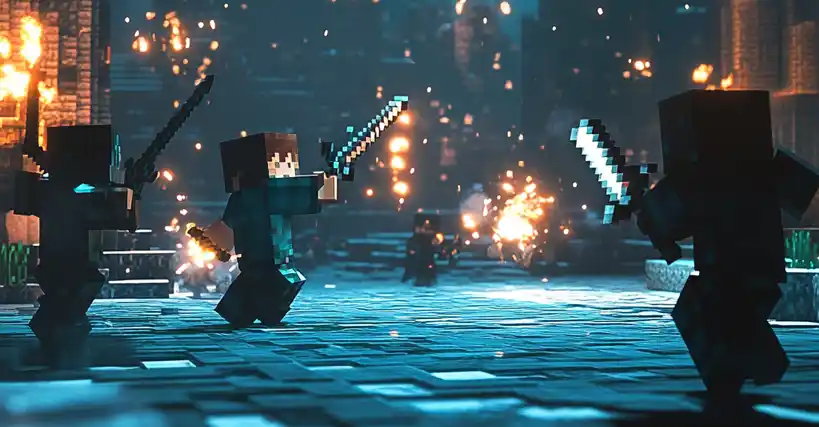
Modern games are not just about graphics or storylines. The real power of a successful game lies in the psychology behind its design. Why do players keep coming back? What makes a game addictive, satisfying, or unforgettable? Game designers use a wide range of psychological principles to shape player behavior – often without us realizing it. In this article, we explore the key mechanisms that explain why we keep playing games such as Minecraft, World of Warcraft and RSPS.
1. The Reward System of the Brain
Our brains respond strongly to rewards. Whenever we achieve something in a game – defeating a boss, leveling up, or finding a rare item – dopamine is released. This neurotransmitter is linked to pleasure, motivation, and the desire to repeat an action.
Good game design leans heavily on this reward system by offering:
- Frequent small rewards such as coins, XP, and minor upgrades.
- Larger milestones like new levels, achievements, and unlocked content.
- Occasional big wins such as rare loot or powerful items.
This steady stream of rewards keeps players engaged and makes it feel natural to play “just one more round.”
2. Variable Reward Schedules
One of the most powerful psychological tools in game design is the variable reward schedule. Instead of giving players a predictable reward every time, the game makes rewards partially random. You never know exactly when the next big drop or critical hit will happen, and that uncertainty can be incredibly compelling.
Common examples include:
- Random loot drops after defeating enemies.
- Critical hit chances in combat systems.
- Chests, packs, or crates with unpredictable contents.
This design taps into the same psychological mechanism as slot machines: players keep playing because the next moment might be the one that pays off.
3. Progression and the Need for Growth
Humans naturally like to feel that they are progressing. Games make this visible and measurable, which is a big part of why they are so satisfying. Even when real life feels chaotic, a game often offers a clear sense of direction and improvement.
Developers use many tools to visualize progress, such as:
- Experience bars that slowly fill up with each action.
- Skill trees that unlock new abilities over time.
- Collectibles and completion percentages.
- New areas, levels, and challenges that open up as you advance.
Every small step forward reinforces the feeling of competence: you are getting better, stronger, and more skilled. That feeling alone can keep players hooked.
4. Competition and Social Status
People are naturally competitive, and many games capitalize on that instinct. Whether it’s a ranked ladder, an arena, or a simple scoreboard of how many votes someone has made on a toplist such as the RSPS toplist, competition gives players a reason to push themselves further.
Examples of competitive design include:
- Ranked modes with visible tiers or divisions.
- Leaderboards that show top players globally or within a community.
- Seasonal resets that encourage players to return and climb again.
Beyond pure skill, there is also social status. Exclusive skins, titles, or mounts don’t necessarily affect gameplay, but they signal prestige. Other players can see what you’ve achieved, and for many, that recognition is just as rewarding as winning itself.
5. Social Bonds and Belonging
Games are no longer a purely solo experience. Guilds, clans, parties, and Discord communities create strong social ties between players. These relationships often become one of the main reasons people keep logging in.
Social design can include:
- Guilds or clans with shared goals and rewards.
- Co-op modes that encourage teamwork.
- In-game chat, emotes, and friend lists.
- Events that require groups or raids to complete.
Once a player feels part of a group, the game becomes more than entertainment – it becomes a social space. Leaving the game can feel like leaving a group of friends, which makes the barrier to quitting a lot higher.
6. Clear Goals and Short-Term Objectives
Another core element of strong game design is the constant presence of clear, achievable goals. Instead of just saying “have fun”, the game gives you concrete objectives: complete this quest, win this match, gather these resources.
Well-designed games balance:
- Short-term goals (finish this mission, craft this item).
- Mid-term goals (unlock a new class, upgrade your gear).
- Long-term goals (reach max level, complete the collection, finish the storyline).
Because there is always something meaningful to do, the player rarely feels lost. As soon as one task is completed, the game hints at the next one, keeping the momentum going.
7. Freedom, Choice, and Player Agency
Many players love games because they offer a sense of control and freedom that real life often doesn’t. Being able to choose how you play makes the experience feel personal and unique.
Design elements that support this include:
- Multiple playstyles (tank, healer, assassin, mage, builder, etc.).
- Open worlds where you decide which quest or area to tackle next.
- Dialogue options and branching storylines.
- Build customization, from stats to cosmetics.
This sense of agency turns a game from a fixed experience into one that feels like your story. The more a player feels that their choices matter, the more emotionally invested they become.
8. The Power of Aesthetics and Atmosphere
Psychology in game design is not just about numbers and systems. Visual style, sound design, and atmosphere have a huge impact on how a game feels. A strong aesthetic can make even simple gameplay deeply immersive.
Some of the key elements include:
- Memorable art direction rather than just realistic graphics.
- Soundtracks that react to what’s happening in the game.
- Ambient sounds that make worlds feel alive.
- Consistent themes in UI, icons, and animations.
When all these details align, players feel drawn into the world emotionally, not just mechanically. That emotional connection can be a major reason they keep returning.
9. FOMO: Fear of Missing Out
Many modern games use limited-time events, seasonal rewards, and rotating shops to create a sense of urgency. This plays directly into FOMO – the fear of missing out.
Examples include:
- Battle passes that expire at the end of a season.
- Events that only run for a few days or weeks.
- Exclusive items that may never return.
Even if a player was planning to take a break, the thought of missing a unique reward or event can pull them back in. While this can be effective, it also raises ethical questions about how far designers should go in using psychological pressure.
10. Healthy Engagement vs. Unhealthy Habits
The same psychological techniques that make games fun can also lead to unhealthy play patterns if they are pushed too far. It is important for both players and developers to be aware of this balance.
From a player perspective, it can help to:
- Set personal limits on playtime.
- Recognize when a game feels more like an obligation than a hobby.
- Take breaks, especially during grind-heavy periods.
From a design perspective, adding features like playtime reminders, flexible progression systems, and less punishing missed content can encourage healthier engagement.
Conclusion
Game design is deeply connected to human psychology. Rewards, progress, competition, social bonds, and freedom of choice all tap into fundamental aspects of how we think and feel. When these elements come together, they create experiences that are not only entertaining but also highly motivating – sometimes more than we expect.
Understanding these psychological principles doesn’t make games less fun. In many cases, it makes them more interesting. As players, it helps us see why certain games are so compelling. As designers, it provides a toolbox for building experiences that are engaging, memorable, and hopefully also respectful of the player’s time and well-being.